
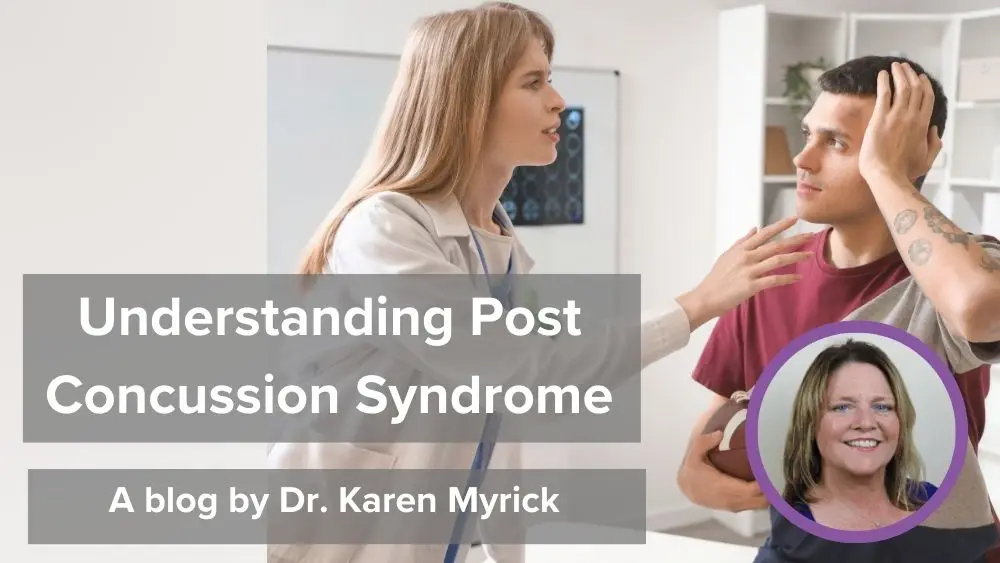
As an APRN student gearing up for your certification exam, it’s crucial to become proficient in managing common neurological conditions encountered in primary care. One such frequently encountered condition is post-concussion syndrome (PCS). Given the increasing awareness of traumatic brain injuries (TBIs) in sports, falls, and accidents, PCS is a high-yield topic for both exams and clinical practice. Let’s explore its key aspects to enhance your readiness.
What is Post-Concussion Syndrome
PCS refers to a collection of symptoms that persist for weeks to months following a mild traumatic brain injury (mTBI). While most concussions resolve within a few days, some individuals experience prolonged cognitive, physical, and emotional disturbances. Even seemingly minor head injuries can lead to PCS, making it a crucial condition to recognize in primary care practice.
Pathophysiology
The exact mechanism of PCS is not fully understood, but it is believed to result from a combination of metabolic, inflammatory, and neurovascular dysfunction. Disruptions in neurotransmitter activity and autonomic nervous system dysregulation contribute to the persistence of symptoms. Psychological factors, such as anxiety and depression, may also exacerbate the condition.
Clinical Presentation
Patients with PCS often present with:
✅ Persistent headaches
✅ Dizziness or balance disturbances or cognitive difficulties (memory issues, difficulty concentrating)
✅ Fatigue
✅ Irritability or mood changes
✅ Sleep disturbances
Symptoms often fluctuate and may be exacerbated by physical or mental exertion.
Diagnosis
PCS is a clinical diagnosis based on history and symptom persistence following a concussion. Key evaluation components include:
✅ Comprehensive history: identifying prior head trauma, symptom onset, and severity.
✅ Neurological examination: assessing cognitive function, balance, and coordination.
✅ Imaging: CT or MRI is typically reserved for cases with red flag symptoms such as focal neurological deficits or worsening headaches.
Management
Treatment is primarily supportive and involves:
✅ Cognitive and physical rest and avoidance of overstimulation, with a gradual return to activity.
✅ Symptom management: headaches may require analgesics, while dizziness may benefit from vestibular therapy.
✅ Psychological support: address anxiety, depression, and sleep disturbances with cognitive behavioral therapy or medications as needed.
✅ Patient education: emphasizing gradual recovery and expectation management.
Why This Topic is Important for Clinical Practice and Your Certification Exam
Post-concussion syndrome highlights critical concepts in primary care neurology, including:
✅ Recognizing lingering effects of mTBI
✅ Differentiating PCS from other neurological or psychiatric disorders
✅ Implementing a multidisciplinary approach to symptom management
Exam scenarios may involve patients with persistent post-concussive symptoms requiring appropriate triage and management. A solid understanding of PCS will equip you to navigate both the exam and real-world clinical challenges effectively.
Take your Exam Preparation Further
Ready to dive deeper into topics like post-concussion syndrome and other high-yield certification exam content? Explore our FNP review products.
Related Products
This blog was written by Dr. Karen Myrick, DNP, APRN, FNP-BC, ONP-C, FAANP, FAAN